
Publishing Children’s Books
with Palmetto
Share your wisdom and grow your brand with industry specific books.
Publishing a book on your own can feel overwhelming, with a whole maze of design choices, marketing strategies, and printing options to work through before your book ever reaches readers. That's where Palmetto Publishing Australia comes in, guiding you through it all.
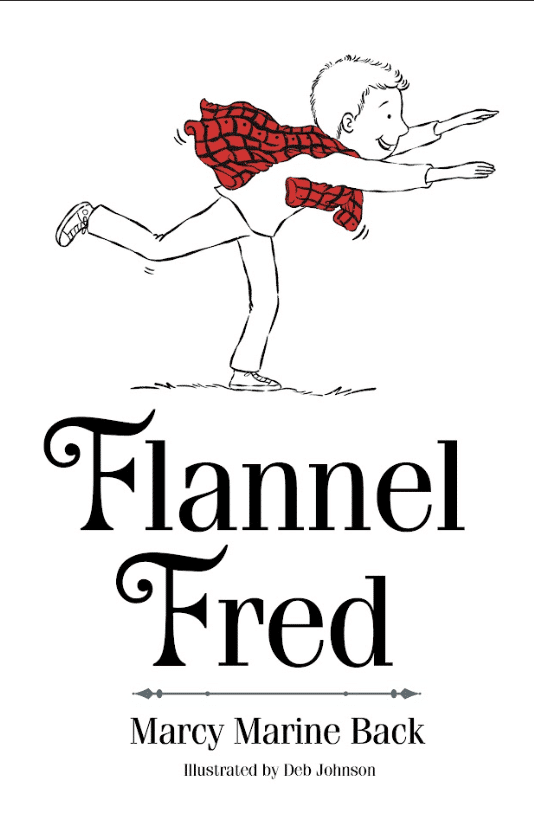
Flannel Fred
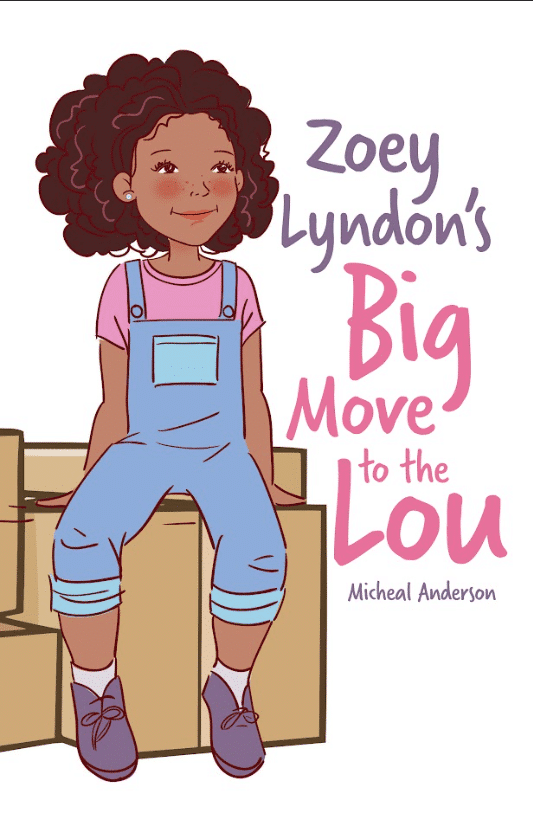
Zoey Lyndon’s Big Move to the Lou
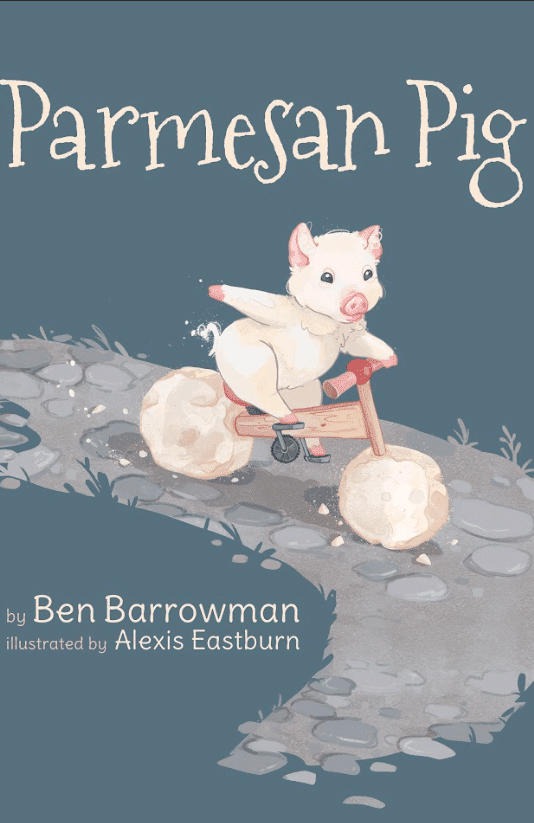
Parmesan Pig
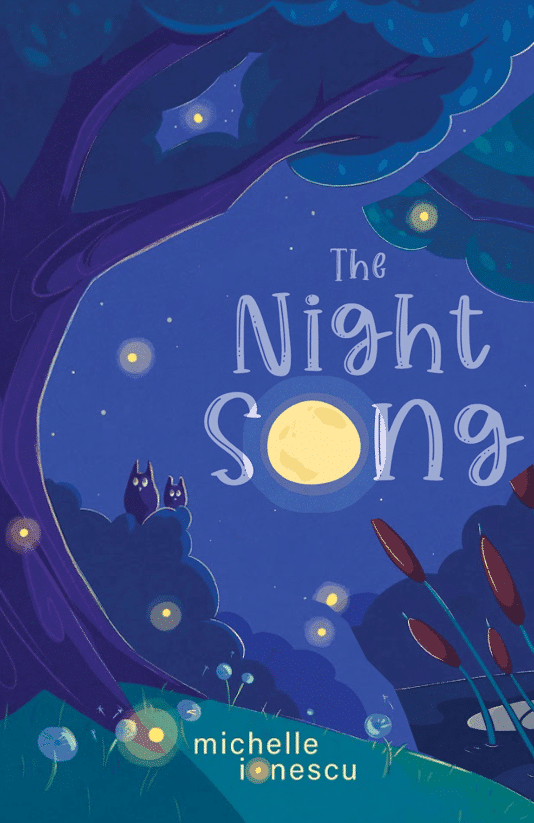
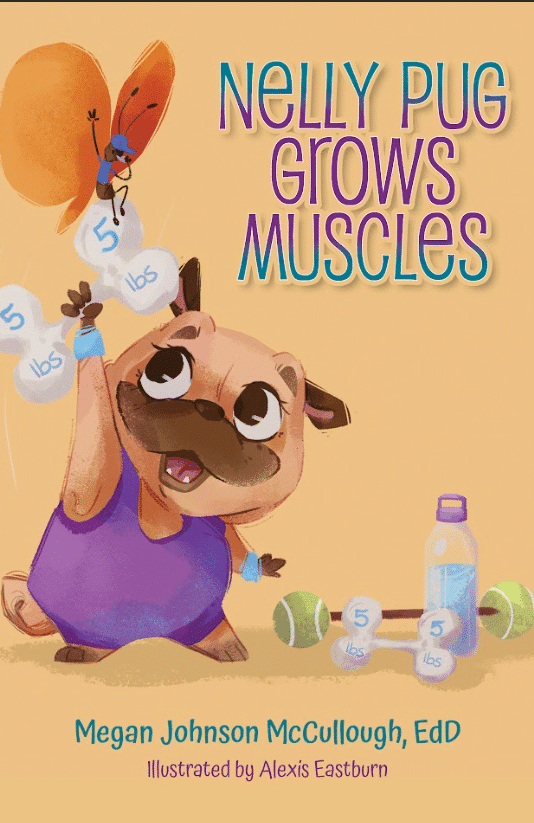
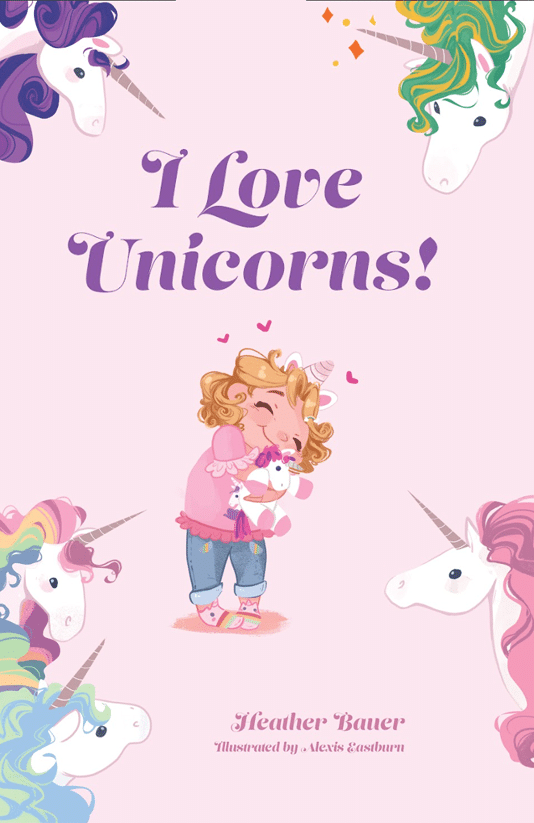
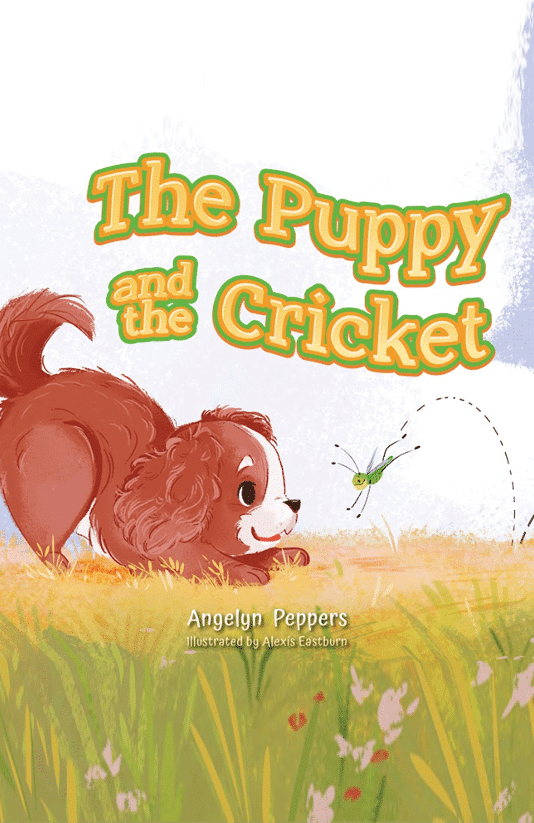
From Alice in Wonderland to Harry Potter, children's books have entertained and educated young readers for generations, often following young heroes who overcome obstacles and save the day.
Writing for a young audience doesn't make the process any quicker or easier. A quality children's book still takes commitment, time, and a real sense of what will resonate with young readers — on top of the design, editing, and publishing that follows.
Self-publishing has made it easier than ever to get a children's book into young readers' hands, and the team at Palmetto Publishing Australia offers a range of services to streamline the process.
Characteristics of Children’s Literature
Children's literature is a broad category covering any book written for young readers, spanning both fiction and non-fiction across a wide range of genres.
A few key characteristics frequently appear in children’s literature, including:
- Accessible language tailored toward developing readers
- Attractive illustrations
- Portraying dark topics like death or the Holocaust in child-appropriate stories
- Depicting a range of human experiences and perspectives
- Empowered young protagonists
- Humor
- Imaginative narratives
- Memorable characters
- Educational Value
- Being written for and about children
Children's literature has historically centred largely on white characters, but authors, educators, and publishers have increasingly recognised the need for more diverse stories reflecting a broader range of experiences and people. Jessica Love's picture book Julián Is A Mermaid is one example, centring on a queer, brown-skinned boy who dreams of becoming a mermaid.
Age Categories in Children’s Literature
The publishing industry groups children's literature into several categories based on the age of the intended reader. The main categories include:
Infant Board Books:
Simple stories aimed at infants and very young children who haven't yet learned to read. Colourful illustrations and basic concepts like animal names, counting, and letters make these ideal for adults to read aloud, and they're typically printed on thick cardstock to survive small, uncoordinated hands.
Picture Books:
Aimed at readers aged 2 to 7, typically around 32 pages, blending accessible text with bright illustrations. Developing readers can work through these with an adult's help or increasingly on their own
Beginning Readers:
Sometimes called “easy readers,” these target children aged 5 to 8. There's more text than a picture book, but the language and sentence structures stay simple.
Middle Grade:
Aimed at readers aged 8 to 12, with longer chapters, more sophisticated language, and few or no illustrations. Many middle grade titles are published as part of a series.
Young Adult
Aimed at readers aged 12 to 18, young adult fiction isn't afraid to tackle heavier issues like mental illness, social injustice, and suicide, though usually with less explicit content than adult narratives. It often captures the transition from childhood to adulthood through teenage characters navigating first romances and the start of high school.
These age categories are really just loose guidelines. Children often read above or below their designated age level, and plenty of adults enjoy children's literature too — series like Harry Potter and Stephanie Meyer's Twilight have proven huge crossover appeal.
Popular Genres in Children’s Literature
Children's literature spans a wide range of formats and genres. Some of the most popular, along with well-known examples, include:
- Biography: Brown Girl Dreaming, March, Turning Pages: My Life Story
- Dystopian: Divergent, The Hunger Games, The Maze Runner
- Fairy Tales and Folktales: Aesop’s Fables, Cinderella, The Little Mermaid
- Fantasy: Graceling, Harry Potter, and the Sorcerer’s Stone, The Magic Treehouse series
- Graphic Novels: The Diary of a Wimpy Kid, The Tea Dragon Society, Captain Underpants
- Historical Fiction: I Survived series, Little House on the Prairie, We Were There
- Non-Fiction: Escape This Book! Tombs of Egypt, If You Take Away an Otter, Locomotive
- Poetry: The Cuckoo’s Haiku: and Other Birding Poems, Where the Sidewalk Ends
- Picture Books: The Cat in the Hat, Bread, and Jam for Frances, The Very Hungry Caterpillar
- Science Fiction: Animorphs, Ender’s Game, A Wrinkle in Time
Looking for inspiration for your own children's book? Reading widely across genres that interest you is a great place to start.
The Benefits of Self-Publishing
Once your book is written, there's a big decision ahead. Here's why self-publishing has the edge over traditional publishing, especially for entrepreneurial authors:
- You’re guaranteed publication
- You keep creative control
- You can address either general or niche audiences
- There’s a faster turnaround to advertise
- You retain a much higher percentage of royalties
Get Started With Palmetto
Once your book is written, the next step is getting it into the hands of readers. If staying in control of your book matters to you, self-publishing is worth considering — it puts every final decision in your hands, from cover design to printing, and typically comes with higher royalties than a traditional publishing deal. Self-publishing can sound daunting, but working with a top-tier publisher like Palmetto Publishing Australia makes the process fast and straightforward. We offer a range of services to support you through it, including:

Cover Design

Interior Formatting

Copy Editing

Hardcover Book Printing Service

Marketing
Authors Love Our Work
Here's what our customers have to say about our Children's Books services!
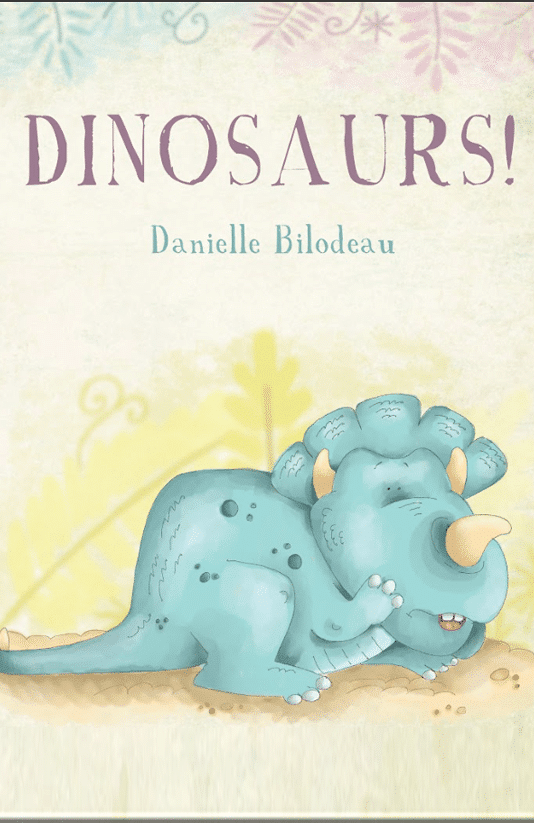
Danielle Bilodeau
I have to say that I could not have chosen a better company than Palmetto Publishing Australia to work with me on my Children’s books. With my first book, I was anxious. I didn’t know the process of it all. My project manager, Erin, was there for me every step of the way. She always got…


